Most of us expect household equipment to work quietly in the background. We turn on a tap, check a control panel, or rely on a water treatment system without giving it much thought. That changes pretty quickly when something stops working as expected. A warning light appears, a setting won’t respond, or the system seems to behave differently from one day to the next.
The good news is that many everyday problems become easier to manage when you understand a few basic things about your equipment. Modern water treatment systems may include digital controls, connected features, and automatic operating cycles, but they still need sensible care. Knowing how to check a connection, follow a maintenance schedule, and arrange professional support can help prevent unnecessary frustration.
Understanding the Role of Connected Water Equipment
Technology has changed the way people interact with home appliances. Some newer water treatment systems offer digital displays, monitoring tools, or connected features that let users check settings and receive notifications. Depending on the model, these features may make it easier to track performance, recognize maintenance needs, or adjust certain functions without repeatedly visiting the equipment itself.
A connected system can be convenient, but it’s worth understanding what the technology actually does before relying on it. Some models provide basic status updates, while others offer more detailed monitoring. Features differ by manufacturer, and not every water softener or filtration system connects to a home network.
When setting up a connected device, check the manufacturer’s requirements first. You may need a compatible application, a supported wireless network, or a particular software version. Taking a few minutes to confirm these details can save a lot of time later.
Getting Your Wi-Fi Connection Right
A connected water system can only communicate properly when its network setup meets the device’s requirements. If the application cannot find the equipment or the connection keeps dropping, the problem might be related to signal strength, router settings, or compatibility rather than the treatment system itself.
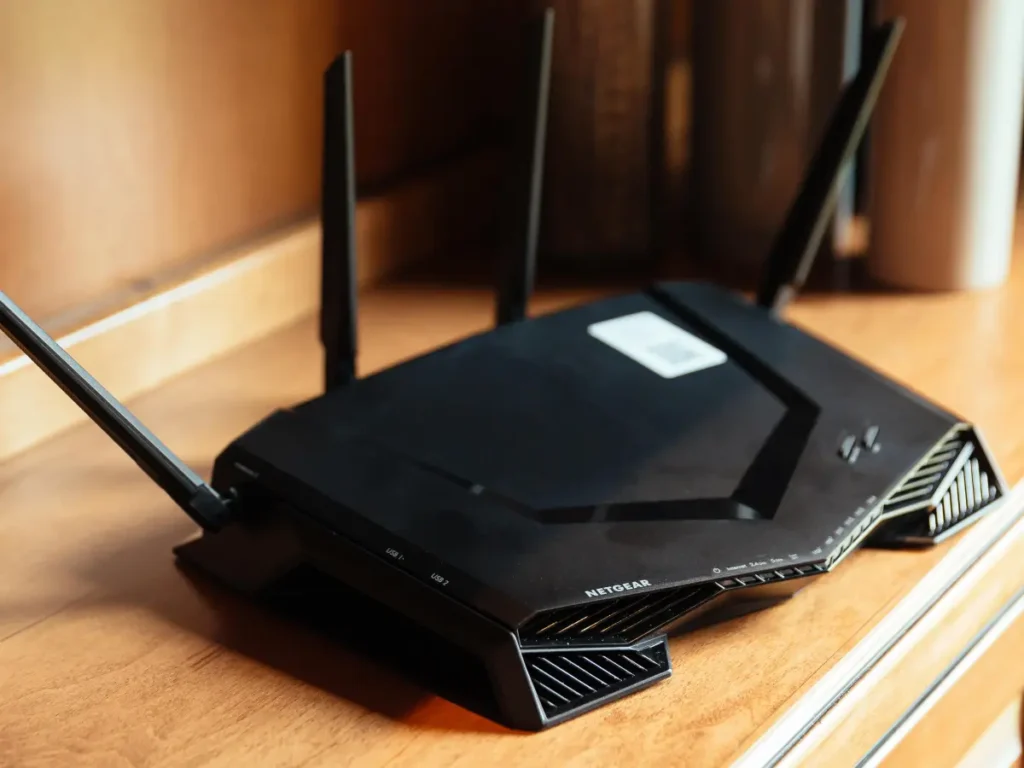
Start by checking the wifi-router connection and making sure your home network is working normally. If other devices also struggle to connect in the same area, weak wireless coverage could be part of the issue. Equipment installed in a utility room, basement, garage, or cupboard may be farther from the router than a phone or laptop usually is.
Next, review the setup instructions for your specific model. Some smart devices require a particular Wi-Fi frequency or network configuration, so don’t assume every device supports the same options. Confirm that you’ve entered the correct network password and that any required permissions have been enabled in the manufacturer’s application.
If the system previously worked but has suddenly gone offline, try the basic troubleshooting steps recommended by the manufacturer. Restarting a router or reconnecting a device may help, but avoid resetting everything immediately. A factory reset can erase settings and leave you repeating the entire setup process.
Most importantly, remember that a network connection and water treatment performance are two different things. A device may continue its normal treatment cycle even if its monitoring features temporarily go offline, depending on the design. Check the manual rather than assuming a lost connection means the water treatment itself has stopped.
Why Regular Maintenance Still Matters
Smart features can make equipment easier to monitor, but they don’t eliminate the need for physical maintenance. Filters still have service lives, water softeners may need salt, and mechanical components can wear over time. Technology is useful, yet it can’t replace the basic care recommended for the system.
A consistent routine system maintenance schedule helps you keep track of these tasks before they become urgent. Check the manufacturer’s recommendations for cleaning, filter replacement, salt replenishment, and periodic inspections. The right schedule depends on the equipment type, water conditions, and how heavily the system is used.
It helps to keep a simple record of maintenance dates. A note on your phone or a reminder in your calendar is often enough. Write down when you replaced a filter, added supplies, or arranged a service visit. If a problem returns, those records can help you explain what happened and when it started.
Pay attention to small changes, too. Water pressure that drops unexpectedly, unusual noises, visible leaks, or repeated alerts deserve a closer look. Sometimes the explanation is straightforward, but guessing can make matters worse. If the cause isn’t clear, consult the manufacturer or a qualified technician.
Knowing When Professional Support Is Necessary
There’s a difference between checking a setting and repairing a piece of equipment. Many users can handle basic tasks, such as checking supply levels or reviewing an error message, provided the manufacturer permits them to do so. More complicated work may involve plumbing, electrical components, pressurized lines, or specialized tools.
Before attempting a repair, read the instructions and consider whether the task is genuinely within your comfort level. If you notice a persistent leak, damaged wiring, repeated shutdowns, or a problem that returns after basic troubleshooting, it may be time to call a professional.
A proper system service can help identify the underlying cause of a problem instead of simply treating its symptoms. During a service visit, a technician may inspect relevant components, check operating settings, assess wear, and recommend repairs or replacement parts when necessary. The exact work depends on the system and the issue being investigated.
When arranging service, describe the symptoms as clearly as possible. Mention any warning codes, unusual sounds, recent changes, or troubleshooting steps you’ve already tried. If you keep maintenance records, have them available. These details can help the technician prepare and may reduce time spent identifying the fault.
It’s also sensible to ask what the service includes before agreeing to the work. Find out whether inspection fees, replacement parts, labour, and follow-up visits are charged separately. Clear expectations make it easier to compare providers and avoid surprises on the final bill.
Protecting Your Equipment and Your Household
Water treatment equipment plays a useful role in many homes, but its capabilities have limits. A water softener, for example, is designed primarily to reduce hardness minerals. It isn’t automatically a solution for every contaminant or a guarantee that drinking water is safe.
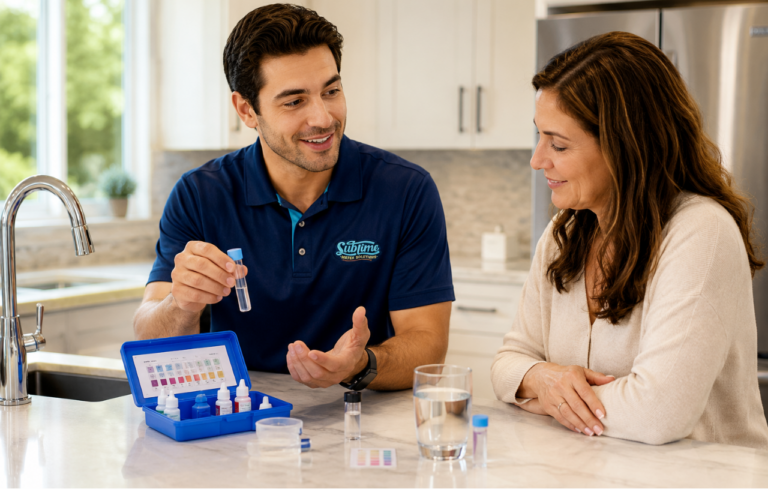
If your water develops an unusual taste, smell, or appearance, investigate the cause instead of relying solely on the equipment’s display. Depending on your water source and the circumstances, appropriate water testing or advice from a qualified professional may be necessary.
You should also keep the area around the equipment reasonably clean and accessible. Avoid storing items where they could obstruct service access, and check for visible moisture or signs of leakage from time to time. If the system uses replaceable components, use compatible parts recommended by the manufacturer.
For connected devices, basic digital security matters as well. Use a strong, unique password for relevant accounts, install software updates when recommended, and avoid sharing login details unnecessarily. These simple steps help protect connected features without making everyday use complicated.
Making Good Habits Part of Everyday Life
Looking after water equipment doesn’t need to become another major household project. A few practical habits are usually enough to stay ahead of common issues: check supplies, follow the recommended maintenance schedule, keep the instructions accessible, and pay attention when something changes.
If your system has connected features, learn which notifications are important and what they actually mean. Treat alerts as useful information rather than proof that something has failed. When in doubt, check the manufacturer’s guidance before changing settings or attempting a repair.
And don’t overlook the value of reliable support. A provider who explains maintenance clearly, answers questions honestly, and offers appropriate servicing can make equipment ownership much less stressful.
Ultimately, well-maintained water equipment should make daily life more convenient, not more complicated. A reliable connection can improve monitoring, regular care can reduce avoidable problems, and professional help can address faults that need closer attention. With a little preparation and a willingness to act when something seems wrong, you can keep your system working as intended and feel more confident about the equipment you depend on every day.