Water is one of those things most of us take for granted until something changes. Maybe the shower leaves your skin feeling dry, white marks keep appearing on the kitchen faucet, or the water coming from the tap has an unpleasant smell. Sometimes the problem is obvious. Other times, it takes a little investigation to understand what is happening.
The good news is that improving household water quality doesn’t always require a complicated system or a major investment. The best starting point is understanding your water, identifying the issues that matter most, and choosing a solution that fits your home rather than buying equipment simply because it sounds impressive.
Start by Paying Attention to Everyday Signs
Your home can offer several clues about its water quality. Mineral deposits around faucets and showerheads often point to hard water. Laundry that feels stiff after washing, soap that refuses to lather properly, and cloudy spots on glassware can also be signs of excess minerals.
Other concerns deserve a closer look. A rotten-egg smell may be associated with hydrogen sulfide, while reddish or orange stains can indicate iron. Cloudiness, unusual tastes, or sudden changes in appearance may have different causes, so it’s important not to assume every water problem has the same explanation.
These signs are useful, but they don’t tell the whole story. Some substances that affect water quality cannot be seen, smelled, or tasted. That’s why testing is more dependable than relying on appearance alone.
Why Water Testing Makes a Difference
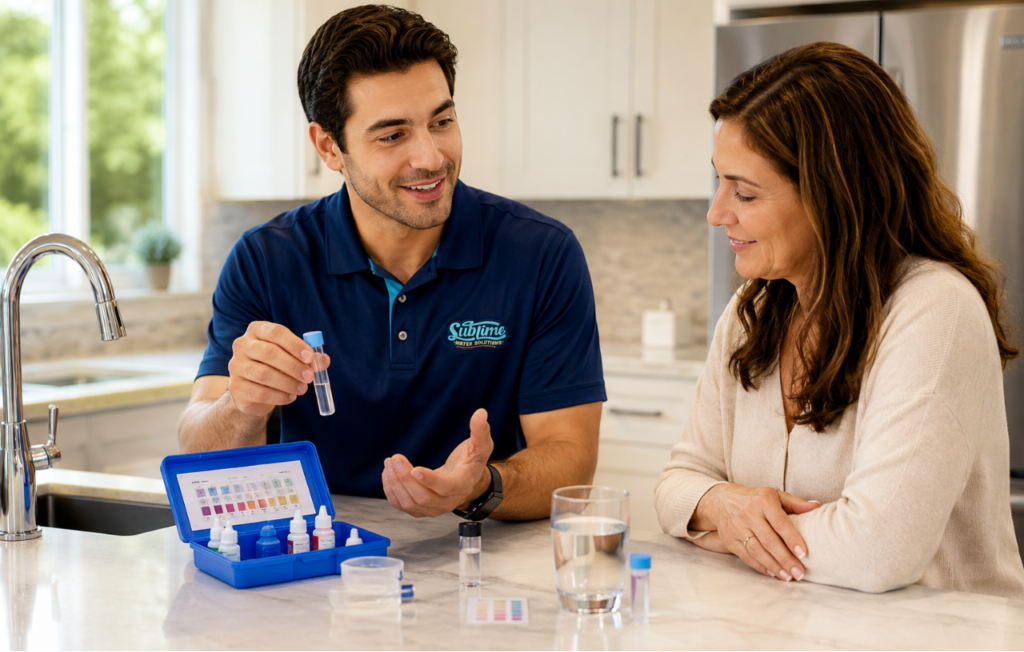
Before choosing a filter or treatment system, find out what is actually present in your water. A free water test can be a practical first step when offered by a local water treatment provider. Ask what the test measures, whether it is intended for screening or laboratory analysis, and what the results can reasonably tell you.
The appropriate testing method depends on your water source and concerns. Municipal water customers may want to review their utility’s annual water quality report and investigate issues specific to their home. Private well owners generally need a more proactive testing routine because their water isn’t monitored by a public utility in the same way. Testing for bacteria, nitrates, minerals, and other potential contaminants may be recommended depending on local conditions.
A useful test should lead to clear information, not unnecessary worry. If results suggest a potential health concern, consult a certified laboratory or your local health department about appropriate follow-up testing. Treatment decisions should be based on reliable findings.
Choosing a System That Fits Your Household
Water treatment equipment isn’t one-size-fits-all. A household dealing with hard water may benefit from a water softener, while a home concerned about certain dissolved contaminants might need a filtration system designed to reduce those specific substances.
Reverse osmosis systems are commonly used to treat drinking water at a dedicated tap or other selected point of use. Whole-house filtration, on the other hand, treats water entering the home and may be useful when the concern affects multiple fixtures. Neither approach is automatically right for every property.
The important thing is matching the equipment to the problem. A softener is designed primarily to address hardness; it should not be treated as a universal solution for every contaminant. Likewise, a standard carbon filter may improve certain tastes and odors but won’t necessarily remove every substance of concern.
Ask the provider which contaminants the recommended system is certified to reduce, how much water it can treat, and what maintenance it requires. Independent certifications, such as those from NSF, can help consumers evaluate specific performance claims. Check the exact model and its certified reduction claims rather than relying on broad marketing language.
Think About Maintenance Before You Buy
A water treatment system is not something you install and forget forever. Filters need replacement, softeners may need salt or servicing, and some systems require periodic cleaning or component changes. Ignoring maintenance can reduce performance and may create additional problems.
Before committing, ask how often the system needs attention and what replacement parts are likely to cost. Find out whether the equipment includes a monitoring feature, whether professional servicing is available, and what happens if a component stops working.
These details matter because the lowest upfront price doesn’t always mean the lowest long-term cost. A reliable system should fit your household’s water use and your ability to maintain it. If you travel frequently or prefer not to manage regular upkeep yourself, that should be part of the conversation.
Local Support Can Make the Process Easier
Water quality varies by location, source, plumbing, and even the season. A local professional may understand common regional issues, but recommendations should still be based on your home’s actual water results rather than assumptions about your neighborhood.
When comparing providers, look for clear explanations and realistic promises. A trustworthy company should explain what a test shows, discuss the limitations of different systems, and provide a written estimate before installation. Be cautious of anyone who pressures you into making a quick decision or claims that one product can solve every possible water concern.
If you have questions about test results, equipment choices, or ongoing maintenance, contact us to discuss the specific issues you’re experiencing and learn what options may be appropriate for your home. A helpful conversation should give you information you can use, whether you decide to install a system immediately or take time to compare alternatives.
Plan for Installation and Future Care
Once you’ve chosen a suitable system, installation should be planned around your home’s plumbing, available space, and daily routine. Some units fit neatly beneath a kitchen sink, while others need access to a utility room or the main water line. Make sure the installer explains how the equipment works and shows you any controls you’ll need to use.
It’s also worth asking what changes you should expect after installation. You may notice fewer mineral deposits or improved drinking-water taste, depending on the issue being treated. However, results vary with water chemistry and equipment performance. If a problem continues, don’t assume you need a completely new system; the unit may need adjustment, servicing, or additional testing.
When professional installation or routine maintenance is needed, schedule service before a small issue becomes a larger inconvenience. Keep copies of your test results, product information, service records, and filter replacement dates. Those simple records make future decisions easier and help technicians understand the system’s history.
A Sensible Approach to Better Water
Good water treatment starts with asking the right questions. Notice changes around your home, test when appropriate, and choose equipment based on verified needs rather than promises or trends. Consider maintenance and long-term costs as carefully as the initial purchase price.
There isn’t one perfect water solution for every household, and that’s actually a good thing. It means you can focus on the concerns that affect your family, your plumbing, and your everyday comfort. With reliable information and a thoughtful plan, improving water quality becomes less confusing—and much easier to manage over time.