Introduction
Cold calling has a bad reputation — and honestly, most of it is deserved, because most cold calls are done badly. But here’s the truth: cold calling still works, and it works well, when it’s done with the right approach. These cold calling tips aren’t about scripts that sound robotic; they’re about genuinely useful techniques that respect the prospect’s time while still moving the conversation toward a sale. Whether you’re new to sales or refining your approach, here’s what actually converts.
1. Research Before You Dial
Spend 2-3 minutes on LinkedIn or the company website before calling. Knowing their industry, recent news, or role lets you open with relevance instead of a generic pitch — “I saw your company just expanded to Pune, congrats” lands very differently than “Hi, do you have a moment?”
Quick Answer: Researching a prospect before calling means quickly checking their company, role, or recent news so your opening line feels relevant and specific, rather than generic — this alone significantly improves how the call is received.
2. Nail the First 10 Seconds
Most prospects decide within the first 10 seconds whether to keep listening or hang up. Skip the long-winded introduction and get straight to a value statement: “I’m calling because we’ve helped businesses like yours cut delivery costs by 20% — do you have 2 minutes?”
3. Ask Permission for Their Time
“Is this a bad time?” sounds polite but often gives people an easy exit. Instead, try: “I know this is unexpected — can I take 90 seconds to explain why I called?” This frames the interruption honestly while still keeping control of the conversation.
4. Focus on Questions, Not Pitches
The best cold calling tips all point to one core shift: talk less, ask more. Instead of pitching features for five minutes, ask about their current challenges: “What’s your biggest bottleneck with [relevant process] right now?” Their answer tells you exactly what to pitch next.
Quick Answer: Focusing on questions instead of a fixed pitch means asking about the prospect’s current challenges early in the call, so your solution can be framed around their actual problem rather than a generic list of features.
5. Handle Objections Without Getting Defensive
“We already have a vendor” is one of the most common objections. Instead of arguing, acknowledge it: “Totally understand, most of our current customers said the same thing before switching. Can I ask what’s working and what’s not with your current setup?” This keeps the door open rather than shutting the conversation down.
6. Always Aim for a Small Next Step, Not a Big Yes
Don’t try to close the full sale on a cold call. Aim for a small commitment — a 15-minute follow-up demo, or permission to send more details over WhatsApp. Small yeses build momentum toward the bigger decision later.
7. Track Your Numbers and Adjust
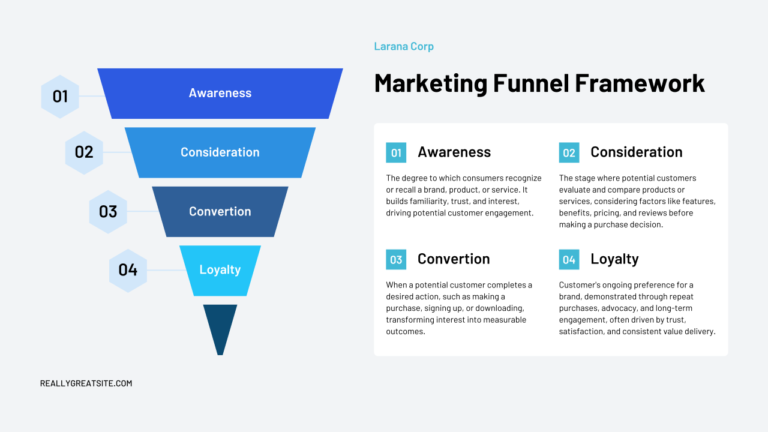
Log your call-to-conversation ratio and conversation-to-meeting ratio weekly. If only 1 in 30 calls leads to a real conversation, your opening line likely needs work; if conversations happen but meetings don’t get booked, your ask at the end needs sharpening. [link to related guide on what is a sales funnel here]
8. Call at the Right Times
Data across multiple sales studies consistently shows Wednesday and Thursday afternoons (between 4-5 PM) tend to have higher answer rates than Monday mornings, when most decision-makers are catching up on their week.
FAQs
Q: What is the best opening line for a cold call? A short, relevant value statement tied to a specific result you’ve delivered for similar businesses, followed by an honest ask for a couple of minutes of their time.
Q: How many cold calls should a salesperson make per day? This varies by industry and role, but many B2B sales teams target 30-50 dials daily to generate a consistent number of real conversations and meetings.
Q: How do I get past gatekeepers on cold calls? Be direct and polite about who you are and why you’re calling — gatekeepers usually respond better to confident clarity than to vague or evasive answers.
Q: Is cold calling still effective in 2026? Yes, especially for B2B sales — while digital channels have grown, a well-executed cold call still creates a level of direct connection that email or ads often can’t replicate.
Q: How do I stay motivated after multiple rejections? Track your ratios instead of individual rejections — knowing that, say, 1 in 20 calls leads to a meeting reframes each “no” as expected progress toward a “yes,” not a personal failure.
Conclusion
Cold calling isn’t dead — lazy cold calling is. The reps who consistently convert leads into customers are the ones who research first, listen more than they talk, and aim for small, achievable next steps instead of pushing for an immediate close. Apply these cold calling tips on your next 10 calls and track the difference in how many turn into real conversations. Small, consistent improvements in your opening and objection-handling compound fast.
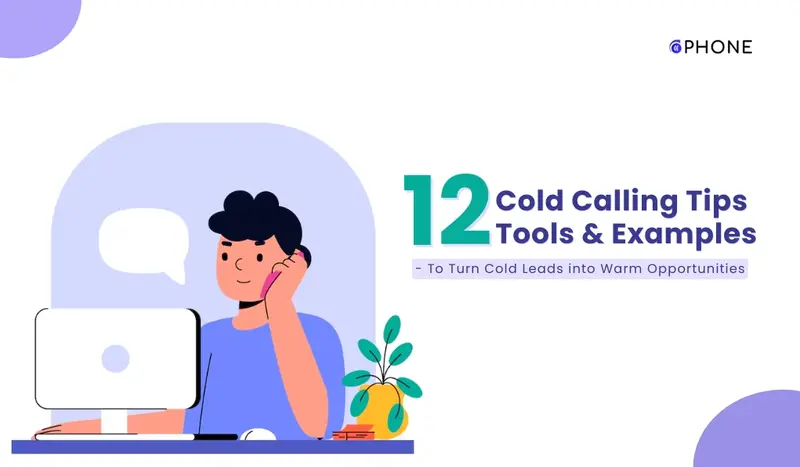
Suggested image alt text: “Sales representative making a cold call using a headset and laptop”