Introduction
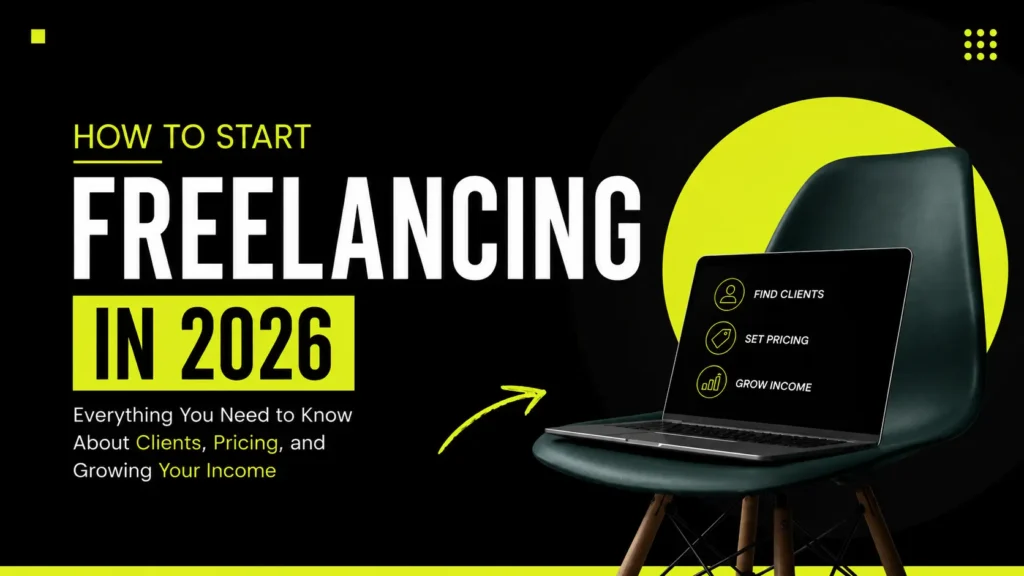
The idea of working from anywhere, choosing your own clients, and setting your own rates sounds great — until you actually try to figure out where to begin. Learning how to start freelancing the right way can save you months of confusion and low-paying gigs. This guide walks through the practical, unglamorous steps that actually get beginners from “I have a skill” to “I have paying clients,” without the vague motivational fluff you’ll find elsewhere.
1. Pick a Skill That Already Has Market Demand
Don’t just freelance in “whatever you enjoy” — start with a skill that businesses are actively paying for right now: content writing, graphic design, video editing, web development, and virtual assistance are consistently in demand. If you’re unsure, browse freelance job boards for a week and note which skills appear most frequently in job postings.
Quick Answer: The first step to start freelancing is picking a skill with proven market demand, which you can verify by browsing freelance job platforms and noting which types of projects are posted most consistently.
2. Build a Portfolio Before You Have Clients
You don’t need paid work to build proof of skill. Create 3-5 sample projects — a mock website, sample articles, or design mockups — specifically to showcase your ability. Many successful freelancers landed their first paid client using entirely self-initiated portfolio pieces.
3. Set Your Initial Pricing Strategically
New freelancers often either underprice dramatically (undervaluing their work) or overprice unrealistically (scaring away first clients). Research what others with similar experience charge on your chosen platform, then price slightly below market average initially to win reviews, planning to raise rates after your first 3-5 successful projects.
4. Choose the Right Platform to Find Clients
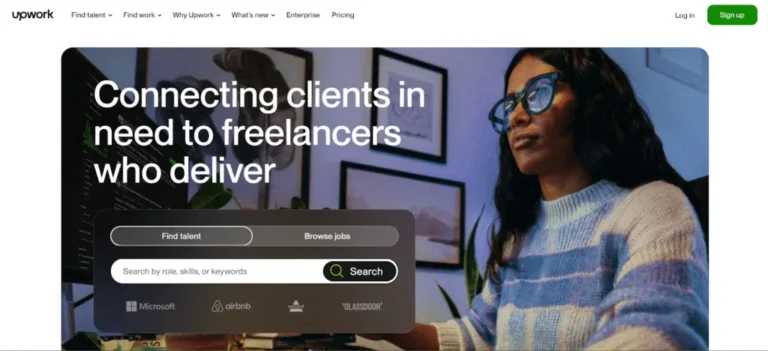
Fiverr and Upwork work well for beginners building initial reviews, while LinkedIn and direct outreach tend to work better once you have some track record and want higher-paying clients. Most successful freelancers eventually diversify beyond a single platform. [link to related guide on best freelancing websites here]
Quick Answer: Beginners typically start on platforms like Fiverr or Upwork to build initial reviews and credibility, then gradually shift toward direct outreach and LinkedIn for higher-value clients once they have a proven track record.
5. Write Client Proposals That Actually Get Read
Generic, copy-pasted proposals get ignored instantly by experienced clients. Reference something specific from their job post, briefly explain your relevant approach, and include one relevant portfolio sample — this alone puts you ahead of most other applicants who send templated messages.
6. Set Clear Boundaries and Contracts From Day One
Even for small projects, use a simple written agreement covering scope, payment terms, and revision limits. Freelancers who skip this step frequently face scope creep (endless “just one more small change” requests) that eats into their effective hourly rate.
7. Deliver Consistently to Build Repeat Business
The freelancers who build sustainable income aren’t necessarily the most talented — they’re the most reliable. Meeting deadlines consistently and communicating proactively about any delays builds the kind of trust that turns one-time clients into recurring, long-term relationships.
8. Diversify Your Income Across Multiple Clients
Relying on a single client for most of your income creates real financial risk if that relationship ends. Once stable, aim to have no single client account for more than 30-40% of your total monthly income, spreading risk across at least 3-4 active clients.
FAQs
Q: How much can a beginner freelancer earn in India? Earnings vary hugely by skill and platform, but beginners often start with smaller projects and gradually increase rates as they build reviews and a track record over the first few months.
Q: Do I need a degree or certification to start freelancing? No — most clients care more about your portfolio and demonstrated skill than formal credentials, especially in creative and digital fields like writing, design, and development.
Q: How do I get my first freelance client with no reviews? Offer a slightly discounted first project or reach out directly to small businesses in your network, using strong portfolio samples to compensate for the lack of platform reviews.
Q: Is freelancing a stable career option in 2026? It can be, provided you diversify your client base and treat it as a business — with consistent marketing, pricing strategy, and financial planning — rather than a passive side income.
Q: What skills are most in demand for freelancers right now? Content writing, video editing, web and app development, graphic design, and virtual assistance consistently rank among the most requested freelance skills across platforms.
Conclusion
Learning how to start freelancing successfully comes down to picking a genuinely in-demand skill, building proof of work before you have clients, and treating client relationships professionally from the very first project. Start this week by building just one solid portfolio sample and sending five well-researched proposals. Freelancing rewards consistency far more than raw talent alone.
Suggested image alt text: “Freelancer working on laptop from home starting freelance career”