There’s a point during a busy week when even small things start to feel like chores. Making breakfast, answering messages, sitting in traffic, deciding what to cook for dinner — none of it is particularly difficult, but somehow it all adds up.
Then you leave.
The road gets quieter, the buildings thin out, and before long you’re looking at trees, open water or a stretch of countryside instead of the same familiar streets.
That change of scenery can be surprisingly powerful.
A cabin stay offers a simple way to step away from routine without making the trip complicated. You can spend the morning outdoors, come back for a warm meal, and settle into a comfortable space in the evening. There’s no need to turn every hour into an activity.
In fact, doing less is often the whole point.
Choose a Place That Matches Your Pace
Before booking a cabin, think about what you actually want from the trip.
Some travelers want complete quiet. Others want easy access to hiking, fishing, swimming or boating. Families may need extra sleeping space and a kitchen, while couples might care more about privacy and a peaceful view.
Don’t choose based solely on attractive photographs.
Read the details.
Check the number of bedrooms, kitchen facilities, bathrooms, heating and cooling, parking and outdoor space. If you’re traveling with children or pets, confirm the property’s rules before you arrive.
A little research can prevent a lot of frustration.
Comfort Still Matters in the Outdoors
Being close to nature doesn’t mean you have to give up comfort.
After spending several hours outside, it’s nice to return to a clean bathroom, a comfortable bed and a kitchen where you can prepare something to eat. That’s why a comfortable home base can make such a difference during an outdoor vacation.
Think of the cabin as your reset point.
You leave in the morning for an adventure, return in the afternoon for lunch or a rest, and head back outside later if you feel like it.
That flexibility makes the whole trip feel less demanding.
Look for Thoughtful Updates
Rustic charm has its appeal.
Old wood, simple furnishings and a traditional cabin atmosphere can make a place feel cozy. But modern conveniences are welcome too.
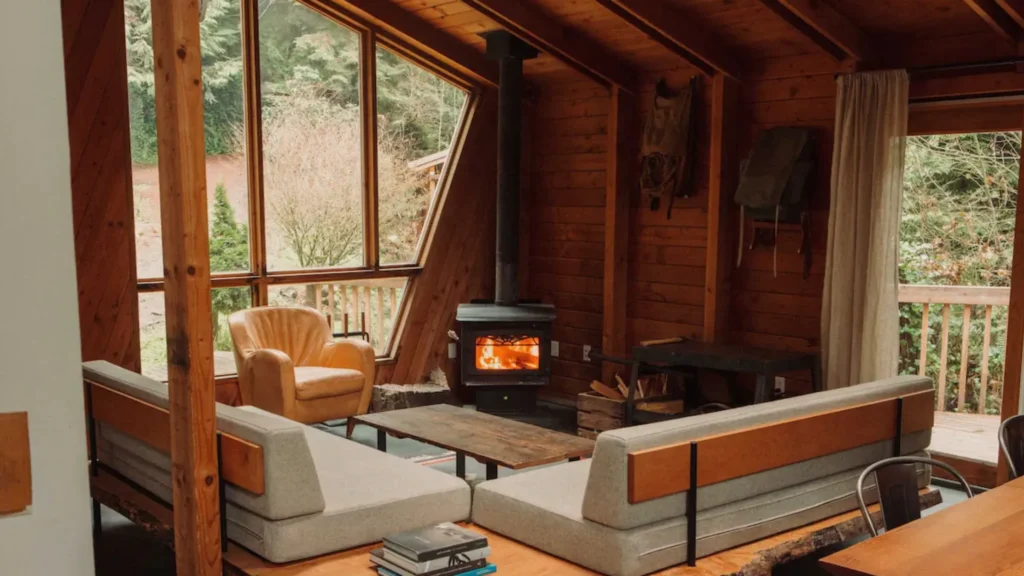
Well-maintained renovated cabins often combine the character people expect from a cabin with updated kitchens, bathrooms, flooring, appliances or living spaces.
When looking at renovated properties, pay attention to recent photographs and guest reviews. A beautiful description doesn’t tell you everything.
You want a place that feels cared for.
Cleanliness, working appliances and comfortable sleeping arrangements can matter much more than fancy extras.
Don’t Schedule Every Minute
One of the easiest ways to ruin a relaxing trip is to overplan it.
You start with good intentions. A hike at 8 a.m., kayaking at 10, lunch at noon, sightseeing at 1, dinner at 6.
Sounds productive.
It also sounds exhausting.
Choose a few activities that you’re genuinely excited about and leave some empty space between them. If everyone feels energetic, add something spontaneous. If you’re tired, stay at the cabin.
A flexible itinerary gives you room to enjoy the destination rather than constantly watching the clock.
Spend Time Outside Without a Goal
Nature doesn’t always need to be conquered.
You don’t have to hike ten miles or kayak across the entire lake to have a meaningful outdoor experience.
Take a short walk. Sit near the water. Watch birds. Read outside. Have coffee on the deck.
If there are trails nearby, choose one that suits your group’s ability. Bring water, wear suitable shoes and check weather conditions before setting out.
The activity itself matters less than being present.
Sometimes a twenty-minute walk can clear your head better than an ambitious all-day excursion.
Make the Most of the Kitchen
A cabin kitchen can quietly become one of the best parts of the trip.
You don’t need complicated recipes. Bring ingredients for easy breakfasts and dinners, pick up local produce or stop at a nearby market.
Pancakes in the morning. Pasta at night. Sandwiches for lunch.
Simple food tastes different when you’re eating it somewhere new.
If you’re staying in a remote area, shop before arriving or find out how far the nearest grocery store is. Don’t assume you’ll be able to pick up forgotten essentials at the last minute.
And keep snacks around.
A hungry group can turn a peaceful afternoon into a surprisingly urgent situation.
Make Evenings Count
There’s something special about evenings at a cabin.
The day’s activities are finished. Everyone is showered, fed and finally slowing down.
If there’s a fire pit or outdoor seating area, spend some time outside when conditions allow. Tell stories. Play cards. Listen to music quietly. Watch the sky.
You don’t need elaborate entertainment.
In fact, too much entertainment can work against the reason you came.
Let the evening be simple.
Prepare for the Weather
Outdoor trips are always partly controlled by the weather.
Check the forecast before leaving home and again during your stay. Bring layers, rain protection and appropriate footwear.
If you’re planning to spend time on the water, pay particular attention to wind and storm conditions. Follow local safety rules and any guidance provided by the property or equipment provider.
Don’t hesitate to change plans.
Rain doesn’t have to ruin a cabin trip. A wet afternoon can become an excuse to read, cook, play games or simply sit by a window.
Sometimes the unexpected weather creates the atmosphere you remember most.
Make Space for Everyone
Traveling with family or friends means balancing different ideas of fun.
One person might want to hike early in the morning. Another may prefer sleeping late. Someone else might want to spend hours fishing.
That’s perfectly normal.
You don’t have to do everything together.
Plan a few shared activities, then allow everyone some personal time. This is particularly important on longer stays.
A little independence can make group travel much more enjoyable.
Disconnect Without Disappearing
A cabin vacation can be a good chance to step away from constant notifications.
That doesn’t mean you have to switch your phone off completely. Keep it available for emergencies, navigation and weather updates.
But consider setting aside a few hours without social media or unnecessary messages.
Put the phone down during dinner.
Leave it in your room while sitting outside.
Look at the scenery directly instead of immediately reaching for the camera.
You’ll probably take a few photographs anyway.
Just don’t let photographing the trip become more important than experiencing it.
Explore at Your Own Level
Outdoor recreation should be enjoyable, not competitive.
If you’re new to hiking, start with an easy trail. If you’re comfortable on the water, consider a longer paddling route — provided local conditions and safety guidance allow it.
Families should choose activities that work for the youngest or least experienced member of the group.
Experienced travelers sometimes forget how intimidating unfamiliar terrain can feel.
There’s no shame in choosing the easier option.
You can always come back and try something more challenging another time.
Notice the Small Things
The most memorable parts of a cabin trip aren’t always the obvious ones.
Maybe it’s the sound of rain on the roof.
Maybe it’s the smell of coffee in a quiet kitchen.
Maybe everyone ends up sitting outside after dinner talking about absolutely nothing important.
Those moments can feel insignificant while they’re happening.
Later, they’re often the memories you keep.
That’s one reason slowing down matters. When you’re not rushing toward the next attraction, you have more room to notice what’s happening around you.
Leave the Place With Respect
Before heading home, take a few minutes to leave the cabin and surrounding area in good condition.
Follow the property’s checkout instructions. Dispose of rubbish properly. Clean up food and personal belongings. If you’ve used outdoor equipment, return it as requested.
If you’ve spent time on trails or near the water, follow local guidelines and avoid disturbing wildlife.
Being a considerate guest helps preserve the experience for the next person.
A Simple Trip Can Be Enough
A good cabin vacation doesn’t have to be complicated.
Find a comfortable place to sleep. Choose a few activities. Eat well. Spend time outside. Rest when you need to.
That’s really it.
The value of getting away isn’t measured by how many things you managed to accomplish. Sometimes the best result is simply returning home with a quieter mind.
You’ll probably still have emails waiting.
The laundry won’t have disappeared.
Monday will arrive eventually.
But for a few days, you gave yourself permission to slow down — to wake without rushing, spend time outdoors and enjoy the company of people who matter.
And sometimes, that’s exactly what a real escape is supposed to feel like.