Introduction
You’ve got a growing business, a clear plan to scale — and not enough cash to make it happen right now. This is exactly where a small business loan can bridge the gap, but the process can feel intimidating if you’ve never applied before. This guide breaks down eligibility criteria, required documents, and the actual step-by-step process, so you can walk into a bank or NBFC fully prepared instead of guessing.
1. Understand the Different Types of Small Business Loans
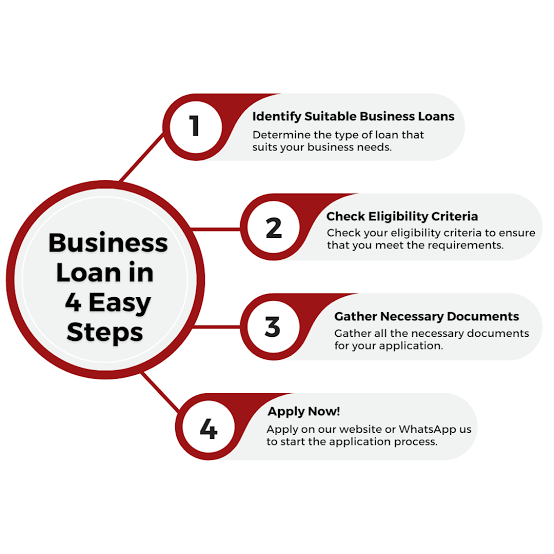
Options include term loans (a lump sum repaid over a fixed period), working capital loans (for day-to-day operational needs), and government-backed schemes like Mudra loans, which specifically target small and micro enterprises with relatively simpler eligibility criteria than traditional bank loans.
Quick Answer: A small business loan generally falls into categories like term loans, working capital loans, or government schemes such as Mudra loans — each suited to different needs, from long-term expansion to covering short-term cash flow gaps.
2. Check Your Eligibility Before Applying
Most lenders look at your business vintage (typically at least 1-3 years of operation), annual turnover, credit score (both personal and business, where applicable), and existing debt obligations. Newer businesses without an established track record often find government schemes or NBFCs more accessible than traditional bank loans initially.
3. Gather the Required Documents in Advance
Standard documentation typically includes business registration proof, PAN and Aadhaar of the owner(s), bank statements for the past 6-12 months, income tax returns, and GST filings where applicable. Having these organized before applying significantly speeds up the approval process. [link to related guide on company registration India here]
4. Improve Your Credit Score Before Applying
A stronger credit score (both personal CIBIL score and business credit history where established) directly affects both your approval odds and the interest rate you’re offered. Paying down existing debts and correcting any credit report errors a few months before applying can meaningfully improve your terms.
Quick Answer: A stronger credit score improves both your chances of loan approval and the interest rate offered, so checking and improving your credit report a few months before applying is a practical step most successful applicants take.
5. Compare Interest Rates and Processing Fees Across Lenders
Don’t accept the first offer — interest rates, processing fees, and prepayment penalties can vary significantly between banks and NBFCs for similar loan amounts. Request quotes from at least 3-4 lenders and compare the total cost of the loan, not just the headline interest rate.
6. Prepare a Clear Business Plan and Use-of-Funds Statement
Lenders want to see exactly how the loan amount will be used and how it will generate the revenue needed to repay it. A simple, specific plan — “₹5 lakh for inventory expansion, projected to increase monthly revenue by X%” — is far more convincing than a vague request for “business growth.”
7. Consider Government Schemes for Easier Access
Schemes like Mudra Yojana, Stand-Up India, and CGTMSE-backed loans are specifically designed to make credit more accessible to small businesses, often with relaxed collateral requirements compared to conventional bank loans. Research which scheme fits your business size and sector before applying through traditional channels.
8. Understand Repayment Terms Before Signing
Carefully review the EMI schedule, any prepayment penalties, and what happens in case of a missed payment. Understanding the full repayment structure upfront prevents unpleasant surprises later and helps you realistically assess whether the loan fits your cash flow.
FAQs
Q: What is the minimum business age required for a small business loan? This varies by lender, but many traditional banks prefer at least 1-3 years of operational history, while some government schemes and NBFCs accommodate newer businesses.
Q: Can a new business with no credit history get a loan? Yes, through options like Mudra loans or NBFC lenders that specifically cater to newer businesses, though the loan amount and terms may be more limited compared to established businesses.
Q: What documents are needed for a small business loan application? Typically business registration proof, identity documents, bank statements, income tax returns, and GST filings, though exact requirements vary by lender and loan type.
Q: How long does small business loan approval take? This varies significantly by lender and loan type — some digital NBFC loans can be approved within days, while traditional bank loans may take a few weeks.
Q: What credit score is needed for a small business loan in India? Most lenders look favorably on a CIBIL score of 700 or above, though specific thresholds vary by lender and loan product.
Conclusion
Securing a small business loan becomes far less stressful once you understand the eligibility criteria, gather your documents in advance, and compare offers across multiple lenders rather than accepting the first one. Start by checking your credit score today and identifying which loan type — traditional, NBFC, or government scheme — genuinely fits your business stage. Being prepared is what separates a smooth approval from a frustrating rejection.
Suggested image alt text: “Small business owner reviewing loan documents with bank representative”